
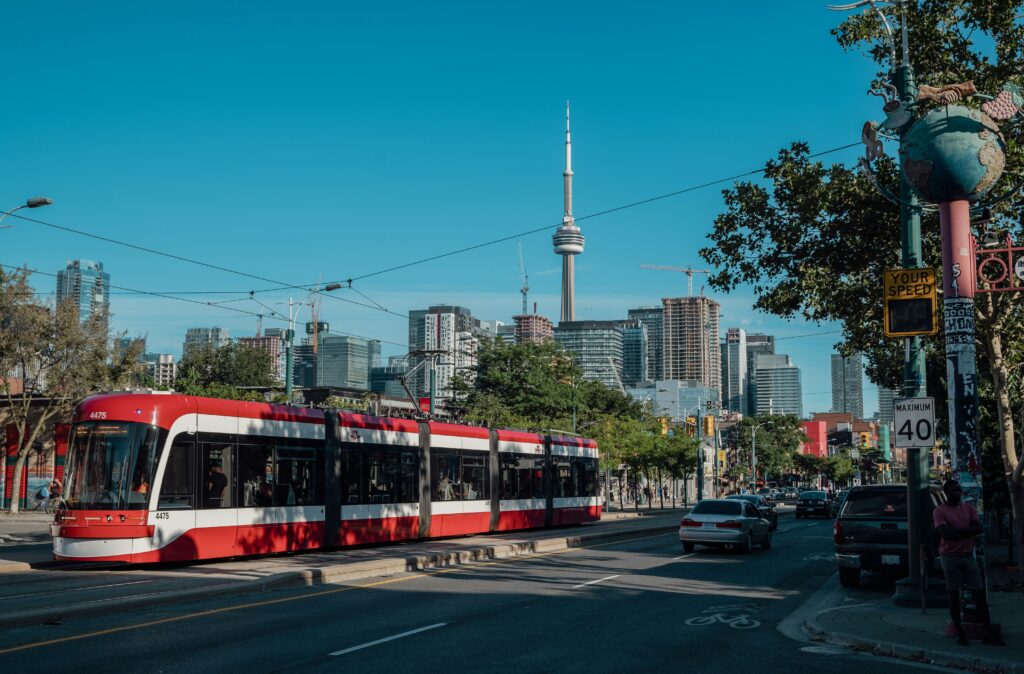
A neighbourhood can look perfect on paper, but that does not always mean it will work in your day-to-day life. When evaluating areas across Toronto and the GTA, it is important to think beyond the home itself and consider how easily you can get around, access the places that matter to you, and manage the realities that come with different locations.
Every neighbourhood offers a different combination of convenience, space, affordability, privacy, and accessibility. Some buyers are willing to trade a longer commute for a larger home, while others prioritize walkability, transit access, or proximity to family. Understanding these priorities before you buy can help ensure the neighbourhood continues to work for you long after move-in day.
Evaluate Commute and Daily Access
When buyers think about location, they often focus on the distance between a home and their workplace. However, daily access involves much more than commute times. Grocery stores, schools, recreation, healthcare, family visits, and everyday errands all contribute to how convenient a neighbourhood feels.
A neighbourhood that appears ideal during a weekend showing can feel very different during rush hour or on a busy weekday. Taking the time to understand how you will move through the city can help prevent frustration later.
Considerations:
- Driving patterns and traffic congestion
- Transit availability and reliability
- Walking and cycling infrastructure
- Rush hour travel times
- Proximity to major highways, transit hubs, and rail lines
- Ease of visiting family, friends, or frequently visited destinations
- Seasonal factors such as construction, festivals, road closures, or major events
Commute and access should be evaluated based on your actual routine, not an ideal scenario. Testing routes during the times you would normally travel can provide a much more accurate picture of what living in the neighbourhood will feel like.
Be Clear on Trade-Offs
Every neighbourhood has strengths and weaknesses. In Toronto, buyers are often balancing competing priorities such as space, convenience, privacy, affordability, schools, transit access, and future growth potential.
The goal is not to find a neighbourhood with no compromises. Instead, it is about understanding which trade-offs you are comfortable making and which may affect your long-term satisfaction.
Considerations:
- Noise from train tracks, highways, major roads, or bus routes
- Proximity to hydro corridors or commercial areas
- Density versus space
- Convenience versus privacy
- Walkability versus larger lot sizes
- Newer homes versus more established neighbourhoods
- Affordability versus location
Understanding these compromises before buying can help prevent disappointment later. No neighbourhood will perfectly satisfy every priority, but identifying which factors matter most to you can make it easier to choose an area that feels practical, comfortable, and sustainable over the long term.
Choosing the right neighbourhood often comes down to how well it supports your everyday life. By carefully evaluating commute patterns, access to amenities, and the trade-offs of different locations, buyers can make more informed decisions and feel more confident that their chosen neighbourhood will continue to meet their needs in the years ahead.
If you missed Part One and Part Two of this series, be sure to check it out for even more tips on evaluating Toronto neighbourhoods and finding the right fit for your next move.
Thinking of moving to the next stage? Let’s chat. Send me an email (hillary@hillarylane.ca) or text/phone (416-882-4707).